Information for
Uncategorized

Empowering Effective Leaders
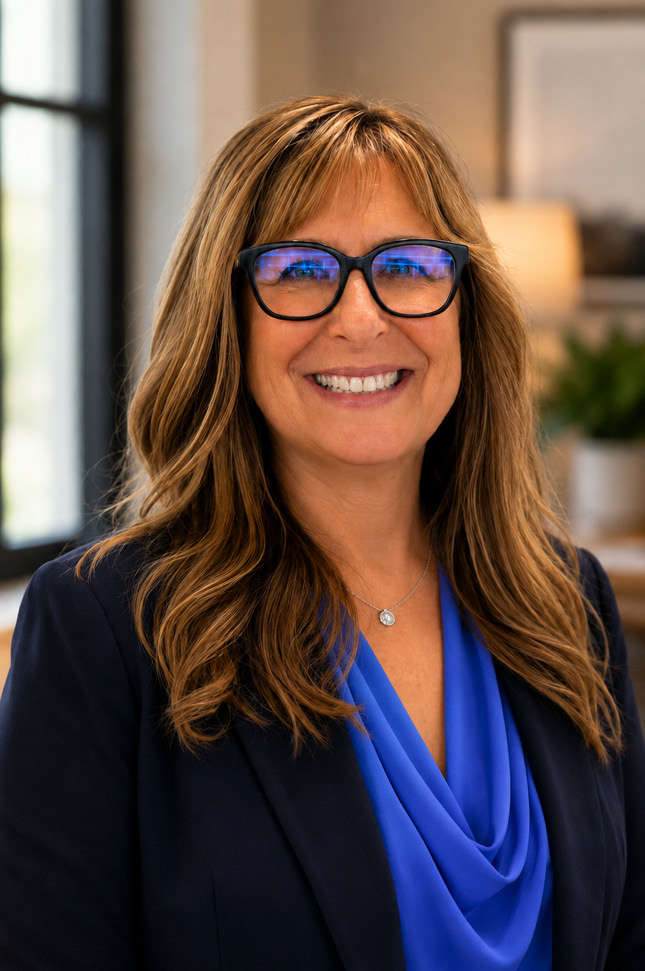
By Dawn Foerst, associate director at Merck
 During my 30-plus years in the workforce, I have sat at a lot of tables, and not every seat was the same. I am not talking about title, seniority or the location of my chair. I mean the experience of being at the table. I’ve been part of conversations where different perspectives were welcomed, where people felt comfortable sharing ideas, challenging assumptions and offering a different point of view. I have also been in rooms where agreement seemed to be the expectation, with the same few voices carrying most of the conversation and leaving little room for others to contribute.
Those experiences shaped how I think about inclusion.
Early in my career, I believed inclusion was largely about who was invited into the room. Over time, I learned that inclusion is just as much about what happens after people arrive. Being invited to the meeting does not necessarily mean we feel included in the conversation.
Over the years, I have watched thoughtful, capable people sit quietly through meetings only to share a great idea afterward in the hallway or during a one-on-one conversation. There have been times when my first thought was, "Why didn't you say that in the meeting?" But it also made me think about why someone might feel more comfortable sharing their perspective afterward than they did in the room.
Not everyone contributes in the same way. Some people think out loud, while others need time to process before they speak. Some are comfortable jumping into a conversation, even when their opinion differs from everyone else's, while others may wait for the right opportunity to contribute. When a few people carry most of the conversation, that opportunity does not always present itself, and we may never hear from people who have something valuable to add.
That is one of the reasons I have become more intentional about asking: Who haven't we heard from yet?
It is a simple question, but it can change the conversation. It shifts some of the attention away from the people who are already participating and creates an opportunity for someone else to contribute. More importantly, it lets people know that different perspectives are welcome and that we are interested in hearing them.
Asking the question does not mean putting someone on the spot or going around the room and expecting everyone to speak. It is about paying attention to who is participating and who is not, and making sure the conversation does not move forward simply because the most vocal people have had their say.
As leaders, managers, colleagues and teammates, we all have an opportunity to create the kind of environment where all perspectives are welcome. Sometimes it means asking someone what they think. Other times it means allowing a little more time before moving on or making room for an opinion that differs from our own.
The strongest teams in which I’ve played a role were not necessarily the ones where everyone agreed. They were the ones where people felt comfortable sharing a different point of view, asking a difficult question or offering an idea that had not yet been considered. Inclusion does not begin and end with an invitation. It happens when people believe their voice matters and when leaders create an environment where contributions are welcomed, even when they challenge the status quo.
Participating in Harding's MAOL program has given me the opportunity to pause and reflect on many of the leadership lessons I've learned throughout my career. One of those lessons is the difference between having a seat at the table and having a voice at the table.
Who haven't we heard from yet?
The answer may not always change the decision, but it may change the conversation. And sometimes, that is where the best ideas begin.
Dawn Foerst is an associate director at Merck, where she leads talent strategy and leadership development initiatives supporting global organizations. Dawn earned her Bachelor of Science in business management from Kean University and her Master of Education from Rutgers University. She is currently pursuing a Master of Arts in organizational leadership with an emphasis in executive and workplace coaching at Harding University. She is married, has two children and lives on the New Jersey Shore.